
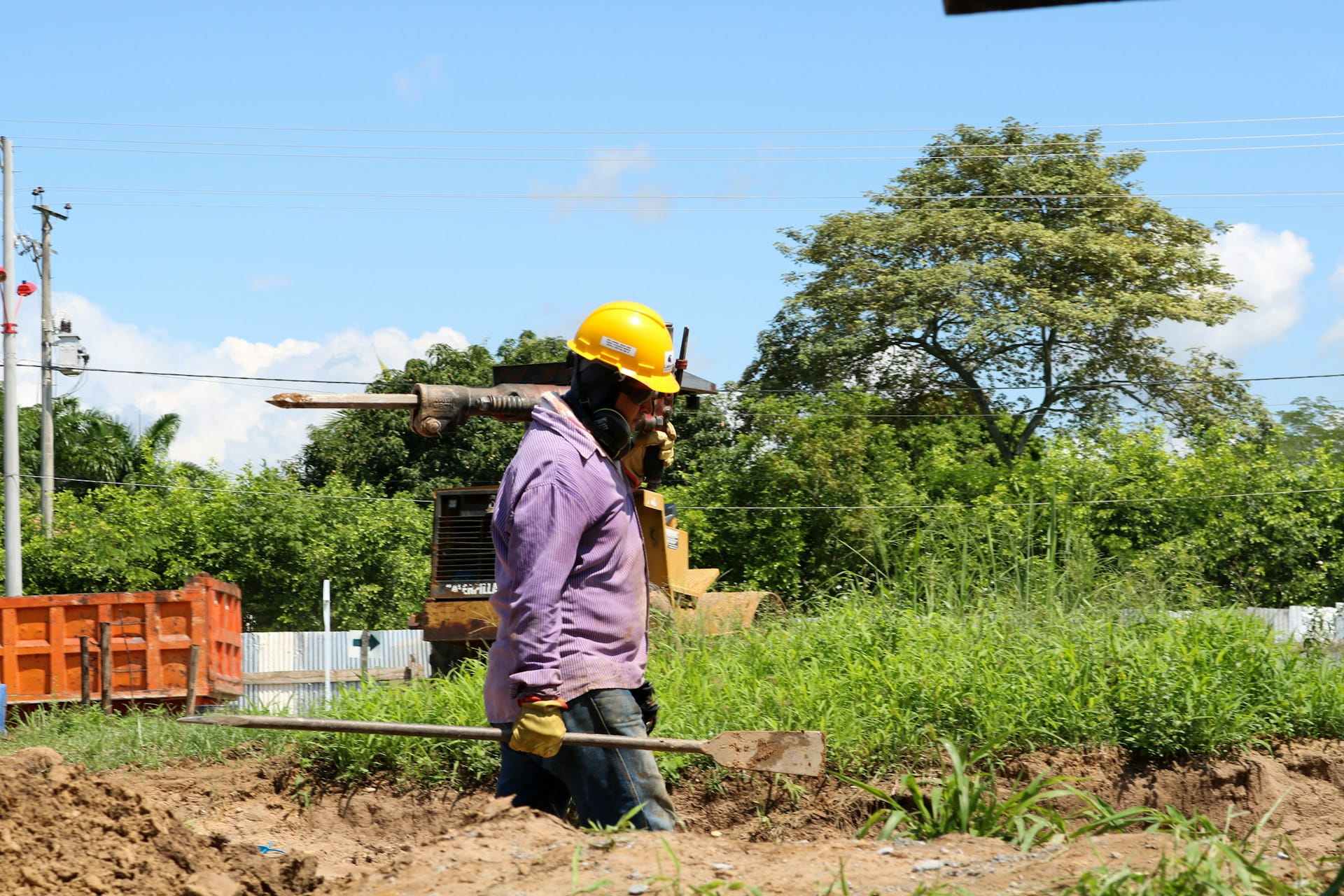
A construction job is more than just hard hats and high-vis vests—it’s a dynamic profession that underpins the infrastructure of modern life. From residential housing to commercial high-rises, construction workers play a vital role in shaping our cities. But what does a career in construction truly involve, and is it the right path for you? Here is what you need to know:
The Variety Within the Industry
Construction is an expansive field. A single project can involve engineers, surveyors, project managers, carpenters, electricians, and machine operators. Whether you’re interested in hands-on labour or behind-the-scenes planning, there’s a specialisation to suit almost every interest and skill set. This variety allows for growth and mobility within the industry, especially for those willing to learn on the job.
Skills That Matter
Beyond physical stamina and technical knowledge, soft skills are often underestimated in this field. Communication, time management, and the ability to work as part of a team are crucial on-site. Safety awareness is non-negotiable; it’s a core part of the training and daily routine. For those aiming to climb the ranks, leadership skills and problem-solving abilities become increasingly important.
Training and Qualifications
Entering the construction industry usually starts with a certificate or apprenticeship. In Australia, vocational training organisations provide the foundational knowledge and hands-on experience needed. While many roles do not require a university degree, ongoing training is common to keep up with evolving building standards and technologies.
A Day on Site
The typical workday in construction begins early and follows a structured schedule. Site meetings, equipment checks, and task assignments all happen before tools are lifted. Each day may involve physically demanding tasks, but the sense of achievement at the end of a project is a strong motivator. Team dynamics are essential, each member depends on others to keep the project safe, efficient, and on schedule.
Technological Advances in Construction
Technology is reshaping the industry. Drones, building information modelling (BIM), and automated machinery are streamlining processes and reducing risks. These innovations are also expanding opportunities for tech-savvy individuals who want to enter construction through non-traditional pathways.
Opportunities in Melbourne
With steady urban development, job opportunities are particularly strong in Victoria. The right construction partner in Melbourne might offer roles that span from site-based positions to office-based planning and logistics. The region’s strong demand for infrastructure ensures a relatively stable job market for both entry-level and experienced professionals.
A construction job offers hands-on satisfaction, career progression, and variety, attributes not commonly found in desk-bound roles. If you value physical work, team camaraderie, and tangible outcomes, this could be your ideal career path.