
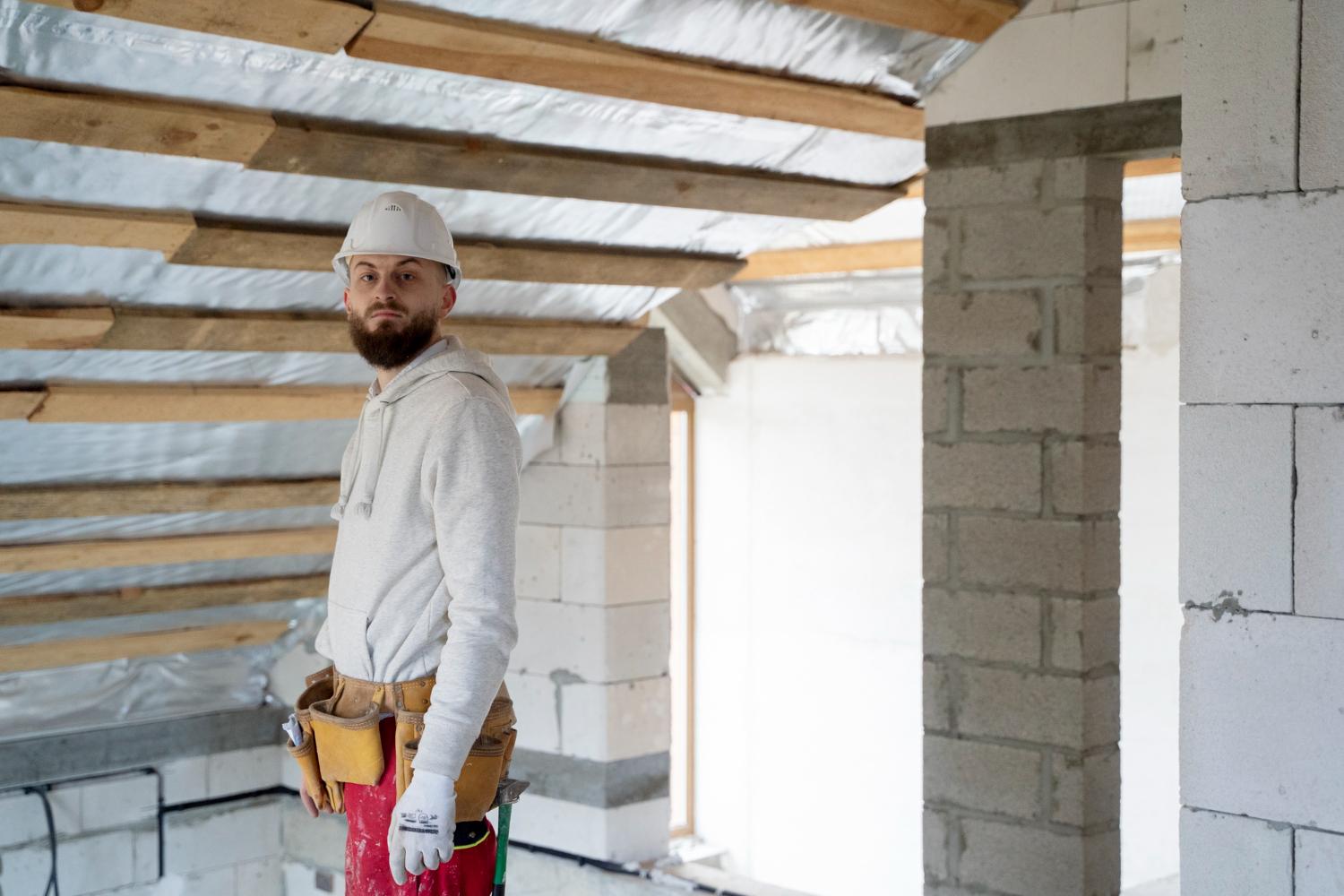
Picture a residential builder pricing up a development of six townhouses. The thermal performance requirements are standard — compliant with the NCC energy efficiency provisions for the climate zone, nothing beyond minimum. The insulation budget is one line in a spreadsheet that already has pressure on it. The specification team looks at the options and chooses EPS insulation for the wall and roof applications. Not because it’s the lowest-quality product available, but because it hits the thermal requirements for that application at a cost that makes sense for what the project actually needs.
What EPS Actually Is
EPS — expanded polystyrene — is the white foam board produced by expanding small polystyrene beads with steam and binding them together. It’s one of the most widely used insulation materials in construction globally, which reflects both its availability and its genuine performance across a range of applications. It’s lightweight, easy to cut, dimensionally stable, and available in a range of densities and thicknesses that cover most standard specification requirements.
Where It Performs Well
EPS insulation performs reliably in dry applications across a wide range of building types. Roof sarking, wall insulation under cladding, insulated panel systems, and below-slab applications in low-moisture environments are all common uses. For the townhouse development above, wall and ceiling applications in a climate zone without extreme moisture — EPS is a sound choice.
Where to Consider Alternatives
The scenario that requires more thought is when moisture is a persistent factor. EPS has higher vapour permeability than XPS, which means moisture can move through it more readily. For below-grade applications, cold storage, or anywhere with sustained moisture exposure, XPS or PIR products typically produce a better long-term result. EPS insulation isn’t the wrong choice — it’s the wrong choice for that specific condition.
The new home builder making the decision well is matching the product to the application, not defaulting to the cheapest option across the board or the most expensive because it feels safer. EPS is the right call in more situations than its price point would suggest — provided the moisture question has been answered.
For dry applications where moisture isn’t a persistent factor, EPS insulation is frequently the most cost-effective specification that still meets the thermal requirements. The performance gap between EPS and more expensive alternatives closes significantly when the application doesn’t involve the conditions that make moisture resistance critical. Getting the application analysis right before specifying the product is the single decision that most reliably produces the best possible outcome per dollar invested.