In high-risk industries like construction and manufacturing, workplace safety isn’t negotiable. With multi-storey projects, elevated machinery, and tight deadlines, the dangers are real. A single oversight at height can lead to severe injuries, costly delays, and legal consequences. That’s why adopting comprehensive height safety solutions is no longer just about compliance; it’s about protecting lives, improving efficiency, and sustaining long-term productivity.
1. Addressing Safety Challenges
Worksites in Australia are evolving fast. Taller structures, congested spaces, and stricter regulations demand smarter safety strategies. Traditional scaffolding alone isn’t enough anymore — integrated systems designed for specific environments are becoming standard.
2. Beyond Basic PPE
Hard hats and harnesses are essential, but they’re just the starting point. Modern sites now adopt engineered anchor systems, retractable lifelines, and shock-absorbing harnesses to minimise risk. These innovations reduce fatigue while offering better mobility, allowing workers to perform tasks more efficiently at height.
3. Designing Safety Around Workflow
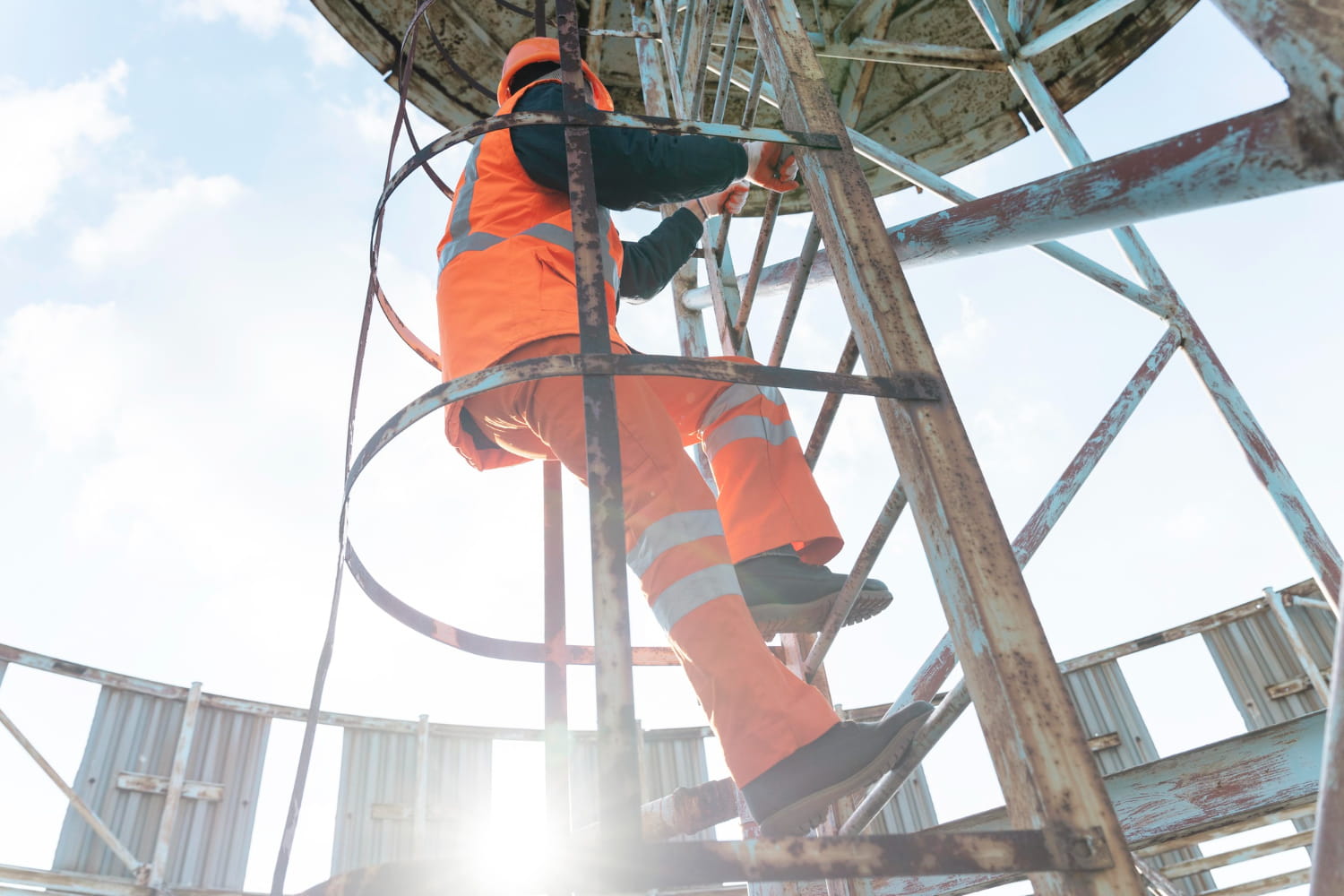
One overlooked mistake is treating safety as an afterthought. Leading construction firms design projects around safety from day one, incorporating fixed guardrails, overhead lifelines, and access ladders into the build itself. This proactive approach reduces retrofitting costs and boosts productivity.
4. Technology-Driven Monitoring
Digital tools now allow supervisors to monitor risks in real time. Wearable sensors track worker movements, detect sudden impacts, and alert teams instantly if someone is in danger. Combining technology with skilled human oversight creates safer, more responsive worksites.
5. Integrating Comprehensive Fall Protection
A single measure is rarely enough. Companies now combine engineered access systems with personal gear and operational controls to create layered defences. By integrating fall protection systems into the overall safety strategy, businesses ensure compliance while reducing workplace accidents significantly.
6. The Importance of Regular Audits
Constracution safety equipment doesn’t last forever. Proactive inspections, load testing, and certification checks prevent small issues from turning into critical failures, ensuring systems perform when they’re needed most.
Investing in modern height safety solutions is more than ticking regulatory boxes — it’s about creating safer, smarter, and more efficient workplaces. Companies that take a forward-thinking approach not only protect their teams but also improve operational flow and reduce costly downtime.